7.1 Why can odour remain even when VOC requirements are met?
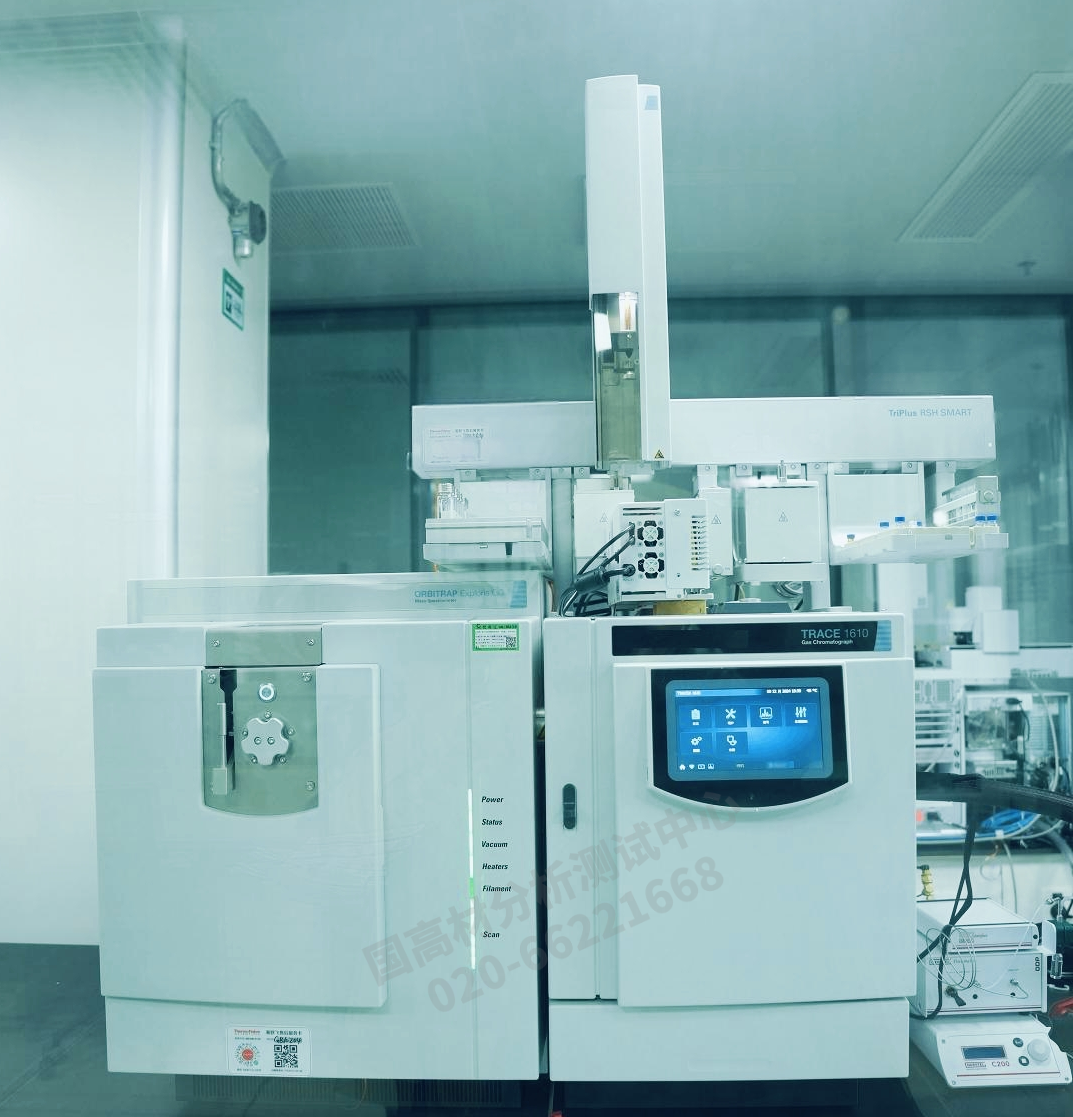
VOC indicators and sensory odour address different attributes. Odour character, thresholds and mixture effects affect perception, so total concentration alone is insufficient. Olfactometry and constituent analysis can support further investigation.
7.2 What samples are needed for odour source identification?
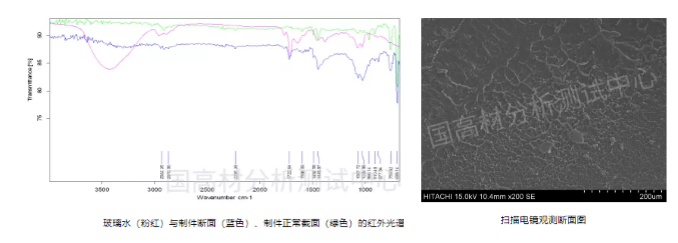
Provide abnormal and acceptable reference samples and, where possible, raw materials, additives, process-stage samples and storage records. Confirm sampling, packaging, quantity and transport with the technical team to avoid contamination or volatile losses.
7.3 Will source identification always establish one unique cause?
Complex odours may involve multiple constituents and stages. Conclusions depend on analytical, comparative and validation evidence; further process trials and retesting may be required.
7.4 Can recycled content be measured directly in every plastic?
No. Quantification requires applicable methods, references, calibration and validation. Models for a specific system cannot be applied indiscriminately, and source proportions may also require traceability evidence.
7.5 Can radiocarbon distinguish fossil-based virgin and recycled plastics?
Not generally. Radiocarbon primarily distinguishes modern biomass carbon from fossil carbon; it is not a universal method for fossil-based recycled plastic content.
7.6 Is VOC testing alone enough for recycled automotive interior materials?
Select odour, fogging, target substances, performance and reliability requirements according to customer specifications and application. Material VOC results do not replace whole-vehicle conclusions.
7.7 How is recycled-plastic service life predicted?
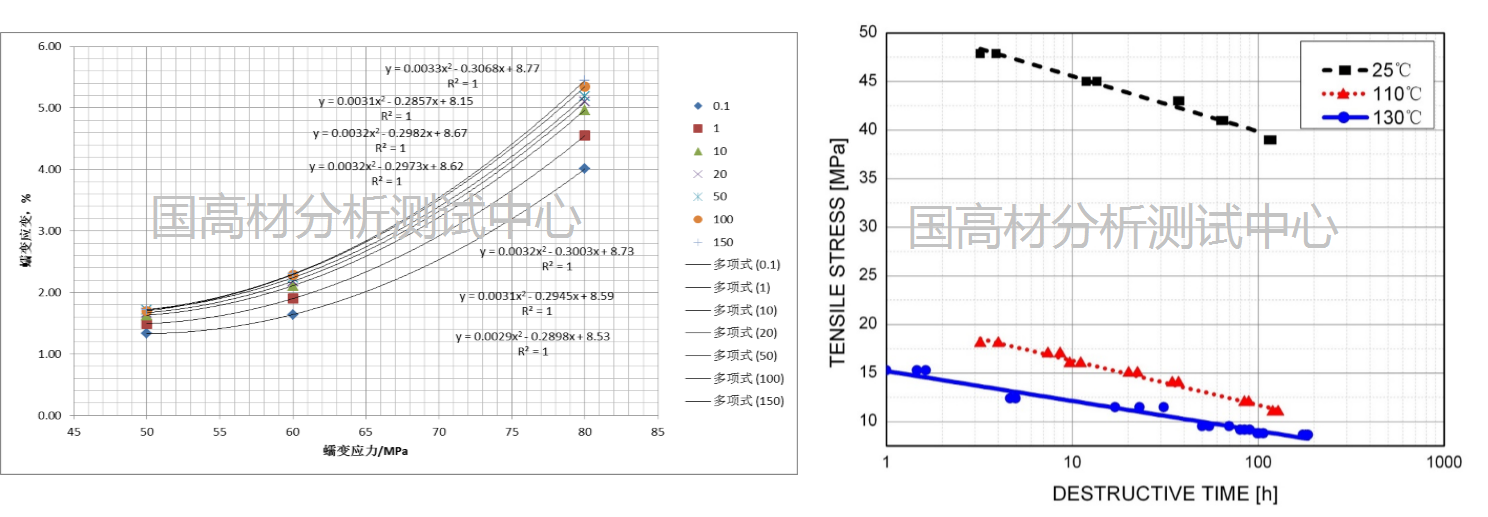
Define environment, load and failure criteria, select suitable accelerated tests and models, and report the conditions, extrapolation range and mechanism applicability.